Scalp Care Is the New Skincare
Healthy, shiny hair starts at the root. Why your scalp deserves its own routine — and how to build one in three simple steps.
By The Beauty Edit team
We double-cleanse our faces, layer serums and wear SPF religiously, yet the skin on our scalp often gets nothing more than a hurried shampoo. But the scalp is skin too — with even more oil glands and hair follicles than your face — and it is the foundation of every good hair day.
Signs your scalp needs attention
- Hair that looks greasy at the roots but dry at the ends
- Flaking, itching or tightness
- Product build-up that leaves hair limp and flat
- Roots that feel oily within a day of washing
Step 1: Cleanse properly
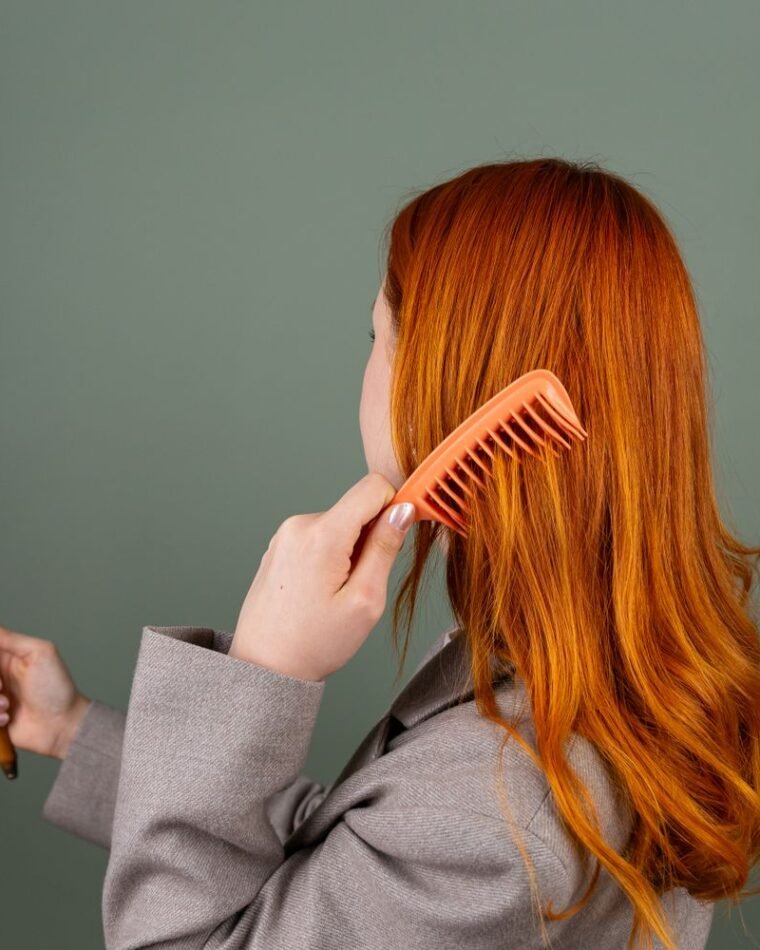
Shampoo is for your scalp, conditioner is for your lengths. Focus your shampoo at the roots, massaging with the pads of your fingers for a full sixty seconds — no nails. Let the suds rinse through the ends rather than scrubbing them.
Step 2: Exfoliate weekly
Just like your face, your scalp benefits from gentle exfoliation to clear dead skin and product residue. Choose a scalp scrub with fine particles, or a leave-on treatment with salicylic acid if you are prone to oiliness or flakes. Once a week is plenty.
A five-minute scalp massage is equal parts haircare and stress relief.
Step 3: Treat and nourish
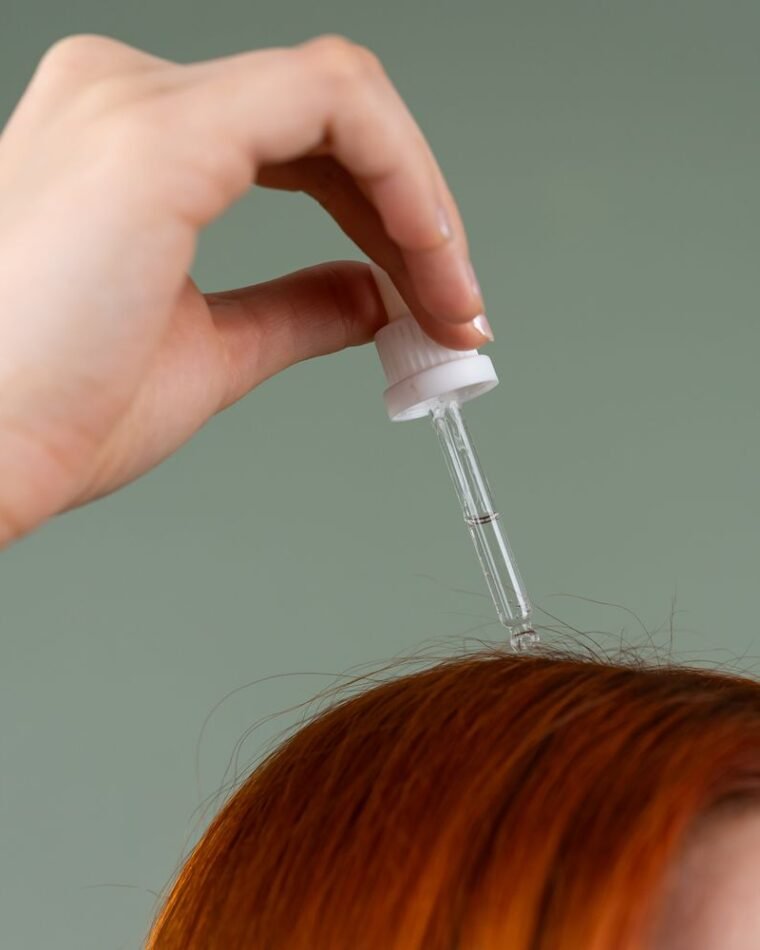
Lightweight scalp serums with ingredients like niacinamide, caffeine, peptides or rosemary are designed to keep the scalp balanced and comfortable. Part your hair into sections, apply a few drops directly to the skin and massage in with small circular motions.
Edit tip: Make massage part of your evening wind-down. Using your fingertips, work in small circles from your hairline to the nape of your neck for five minutes. It boosts circulation and feels heavenly.
Don’t forget protection
Your parting is exposed to the sun all summer. A hat or a dedicated scalp SPF mist prevents burning and keeps the skin underneath healthy.
If you experience persistent itching, redness or sudden shedding, see a dermatologist or trichologist — some scalp conditions need professional treatment.
Shop the edit
Cult favourites for this ritual

Shea Better Body Lotion — Vanilla Cashmere
24-hour moisture with a cosy vanilla-cashmere scent.

Bio-Collagen Real Deep Overnight Mask
The viral K-beauty jelly mask for glass-skin mornings.

Original Hydrocolloid Pimple Patches, 36 ct
Stick it on at night, wake up to a calmer spot.
As an Amazon Associate we earn from qualifying purchases.